
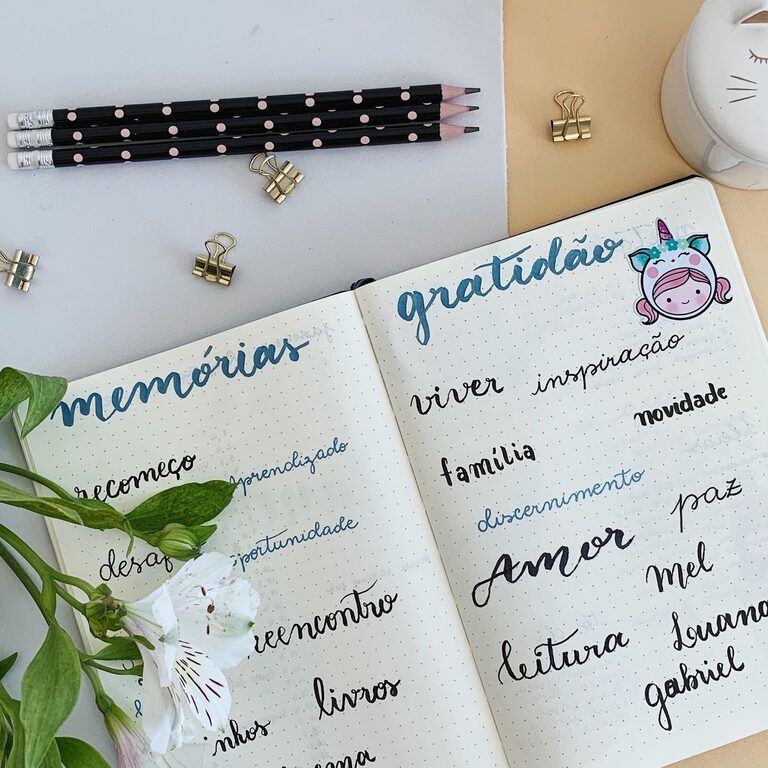
Starting a gratitude journal is a wonderful way to enhance your daily happiness and cultivate a positive mindset. By regularly reflecting on the things you’re thankful for, you can shift your focus from stress or negativity to appreciation and contentment. If you’ve never kept a gratitude journal before, this guide will walk you through the basics of getting started, tips to stay consistent, and ideas to make your practice enjoyable.
What Is a Gratitude Journal?
A gratitude journal is a personal notebook or digital document where you write down things you feel grateful for. These can be big or small moments, simple pleasures, people in your life, accomplishments, or anything that brings you joy or comfort. The purpose is to build awareness of the positive aspects of your life, which can improve your mood and overall mental well-being.
Why Keep a Gratitude Journal?
Research has shown that practicing gratitude regularly can lead to numerous benefits, such as:
– Increased happiness and satisfaction
– Reduced stress and anxiety
– Improved sleep quality
– Stronger relationships
– Greater resilience during tough times
Writing down what you’re thankful for helps train your brain to notice the good, making it easier to stay positive even when life feels challenging.
How to Start Your Gratitude Journal
1. Choose Your Medium
Decide whether you want to keep a physical journal or use a digital app. Some people enjoy the tactile experience of writing by hand in a beautiful notebook, while others prefer the convenience of apps or digital documents. Both options are equally effective, so pick what feels best for you.
2. Select a Time to Write
Consistency is key when starting a new habit. Choose a time of day when you can spend a few minutes reflecting—many people prefer mornings to set a positive tone for the day or evenings to reflect on the day’s events. You might also choose to write whenever you feel the need to shift your mindset.
3. Start Small and Simple
In the beginning, aim to write just 3 to 5 things you are grateful for each day. These don’t need to be monumental; everyday moments like a warm cup of tea, a smile from a stranger, or a good conversation count just as much. The goal is to focus on positivity, not perfection.
4. Be Specific and Genuine
When writing your entries, try to be as specific as possible. Instead of writing “I’m grateful for my family,” you could write, “I’m grateful for the fun evening I spent playing board games with my family.” Specificity helps you connect more deeply with the experience.
5. Reflect on Why
Take a moment to think about why you’re grateful for those things. This reflection deepens the emotional impact of the practice and makes your gratitude more meaningful.
Tips for Maintaining Your Gratitude Journal
Make It Enjoyable
Personalize your journal by adding drawings, stickers, or photos if you like. Choose a pen you enjoy writing with or a digital app that has features you appreciate.
Keep It Accessible
Keep your journal or device in a place where it’s easy to reach, like your nightstand or desk. Having it close by increases the likelihood that you’ll use it regularly.
Don’t Stress About Perfection
Your gratitude journal is for you, so there’s no right or wrong way to do it. Some days you may write several entries, other days only one, and that’s okay. What matters is the habit and the mindset shift it brings.
Mix It Up
Occasionally, try different prompts to keep your journaling fresh. For example:
– Name a person who made your day better today.
– What is something beautiful you noticed recently?
– What’s a challenge you overcame that you’re thankful for?
Pair With Other Positive Habits
Combining your gratitude journaling with habits like meditation, deep breathing, or a quiet moment with a cup of tea can create a calming routine that supports your mental wellness.
Sample Gratitude Journal Entry
Here’s a simple example to illustrate what a daily entry might look like:
Date: June 15, 2024
Today, I am grateful for:
- The warm sunshine during my morning walk — it made me feel energized and happy.
- My coworker’s kind words when I was feeling overwhelmed today.
- A delicious home-cooked dinner that reminded me of family traditions.
- Finding a moment to read a few pages of my favorite book.
- The sound of birds chirping outside my window this evening.
Reflecting on these moments helps me remember that even a busy day holds things worth appreciating.
Final Thoughts
Starting a gratitude journal is a simple, low-cost way to boost your happiness and build emotional resilience. By dedicating just a few minutes each day to noting what you’re thankful for, you can create a positive habit that nurtures your mental well-being. Remember, the key is to make it your own and enjoy the process of discovering the good in your everyday life.
Give it a try for a week and see how it affects your outlook—you might be surprised by the difference it makes!