
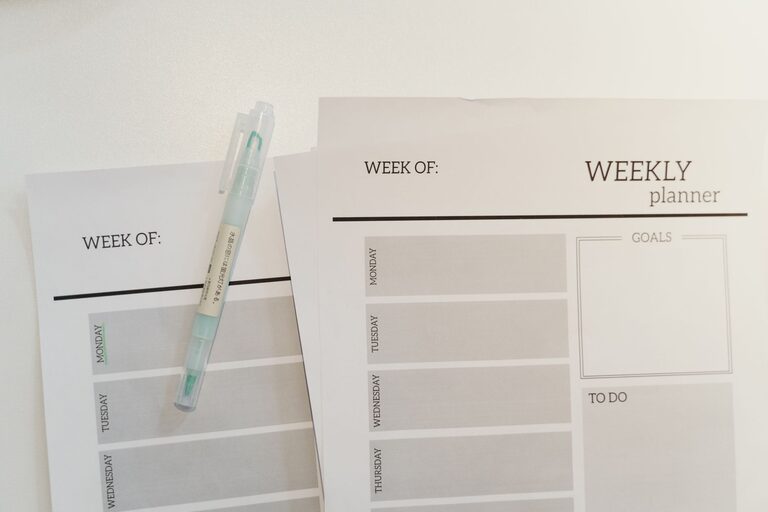
Setting weekly goals can be a powerful way to stay focused and make steady progress toward your larger objectives. However, setting unrealistic goals often leads to frustration and burnout. To help you create effective and achievable weekly goals, this post will guide you through simple steps to keep your goals realistic, clear, and motivating.
Why Setting Weekly Goals Matters
Weekly goals break down long-term projects into manageable pieces. They help you prioritize tasks, maintain momentum, and measure your progress regularly. When your goals align with what’s realistically possible in a week, you build confidence and reduce stress.
Steps to Set Realistic Weekly Goals
1. Reflect on Your Priorities
Start by considering your top priorities for the week ahead. Ask yourself:
– What are the most important tasks that need to be done this week?
– How do these tasks align with my bigger goals?
– Which tasks will have the greatest impact?
Writing down your priorities sets a clear focus and prevents distractions.
2. Review Your Available Time
Knowing how much time you realistically have during the week is crucial. Consider:
– Your work schedule and commitments
– Family or social responsibilities
– Time for breaks and self-care
Use a planner or calendar to block available time slots. This helps avoid overloading your week.
3. Break Down Larger Goals into Smaller Tasks
Long-term goals can feel overwhelming if you try to do too much at once. Breaking them into smaller, actionable tasks makes them more manageable. For example:
– Instead of “Write a report,” set “Draft introduction,” “Gather data,” “Review findings.”
Small tasks also provide clear steps to cross off, creating a sense of accomplishment.
4. Set SMART Goals
Make your weekly goals SMART:
– Specific: Clearly define what you want to achieve.
– Measurable: Ensure you can track progress.
– Achievable: Set goals that are realistic given your time and resources.
– Relevant: Align goals with your broader priorities.
– Time-bound: Assign deadlines within the week.
SMART goals help keep your focus sharp and your efforts productive.
5. Limit the Number of Goals
Avoid the temptation to plan too many goals. A good rule is to focus on 3 to 5 key weekly goals. This balance helps you stay committed without feeling overwhelmed.
6. Plan for Flexibility
Unexpected interruptions can happen. Build some flexibility into your schedule by:
– Leaving buffer time between tasks
– Prioritizing tasks so less important ones can slide if needed
– Being willing to adjust goals midweek if circumstances change
Flexibility keeps your planning realistic and reduces stress.
Helpful Tips for Staying on Track
Use a Planner or Digital Tools
Choose a tool that fits your style:
– Paper planners for hands-on scheduling
– Apps like Trello, Todoist, or Google Calendar for digital reminders and tracking
Regularly review and update your goals and progress.
Set Daily Intentions
Each day, review your weekly goals and decide what tasks to focus on. This keeps your work aligned and helps you manage your energy.
Celebrate Small Wins
Recognize and celebrate completing tasks or reaching milestones. This positive reinforcement motivates you to keep going.
Reflect at Week’s End
Spend a few minutes reviewing your progress:
– What went well?
– What challenges did you face?
– How can you improve goal setting for next week?
Reflection helps you learn and adjust your approach.
Common Pitfalls and How to Avoid Them
| Pitfall | How to Avoid It |
|———————–|————————————|
| Setting too many goals | Limit to 3-5 priorities |
| Being vague | Use SMART criteria |
| Ignoring time limits | Plan with realistic time estimates |
| Overcommitting | Know your limits and say no if needed|
Sample Weekly Goal Plan
| Goal | Tasks | Deadline |
|—————————–|—————————————–|——————-|
| Finish project outline | Draft sections, gather feedback | Wednesday |
| Exercise 3 times | Schedule workouts, track progress | Sunday |
| Organize workspace | Declutter desk, file documents | Friday |
This sample shows how breaking goals into tasks with deadlines creates clarity.
Final Thoughts
Setting realistic weekly goals is a skill that improves with practice. By reflecting on your priorities, understanding your available time, breaking down larger objectives, and maintaining flexibility, you’ll be better equipped to make consistent progress and stay motivated. Remember, the key is not to do everything at once but to make steady, achievable steps toward your bigger ambitions. Happy goal setting!